Aluminum Castings Explained: Key Benefits and Solutions for Your Manufacturing Needs
Aluminum spreadings play a considerable role in modern-day production. Their long lasting and lightweight nature makes them suitable for various applications. Industries such as aerospace and automobile gain from their flexibility. Understanding the advantages and the manufacturing procedure of aluminum castings is necessary. In addition, selecting the appropriate provider can affect quality and efficiency. What factors should be considered when selecting a light weight aluminum casting solution? Exploring these elements reveals essential insights.
Advantages of Aluminum Castings
Aluminum spreadings provide numerous benefits that make them a recommended choice in numerous industries. Among the key advantages is their lightweight nature, which significantly minimizes shipping and handling prices. In addition, light weight aluminum shows outstanding rust resistance, making certain long life and lowered maintenance for products made from this material. The flexibility of light weight aluminum allows for complicated forms and elaborate layouts, offering makers with higher versatility in production.
In addition, light weight aluminum spreadings have good thermal and electrical conductivity, making them appropriate for a selection of applications needing heat dissipation or electric elements. The material additionally has a high strength-to-weight ratio, enabling the manufacturing of resilient yet light-weight elements. Aluminum can be recycled without losing its residential or commercial properties, advertising sustainability in producing processes. Overall, these benefits make light weight aluminum spreadings a reliable and effective choice for manufacturers looking for high quality and performance in their items.
Applications of Light Weight Aluminum Castings in Numerous Industries
The benefits of aluminum spreadings make them highly demanded throughout different industries, including automobile, aerospace, and durable goods. In the automotive industry, they are used for engine blocks, transmission situations, and wheels as a result of their lightweight nature, which improves gas efficiency. Aerospace applications benefit from light weight aluminum castings in structural parts and real estates, providing stamina while decreasing weight, essential for flight performance.
In customer items, light weight aluminum spreadings are utilized in products such as pots and pans and digital enclosures, offering longevity and visual allure (Aluminum Foundry). Furthermore, the electrical industry employs aluminum castings for warm sinks and housings, making certain effective thermal management. The adaptability of light weight aluminum enables elaborate styles and complicated geometries, better broadening its applications. Generally, the varied utility of light weight aluminum castings underscores their relevance in modern-day manufacturing, adding to advancement and performance across these essential industries

The Production Refine of Aluminum Castings
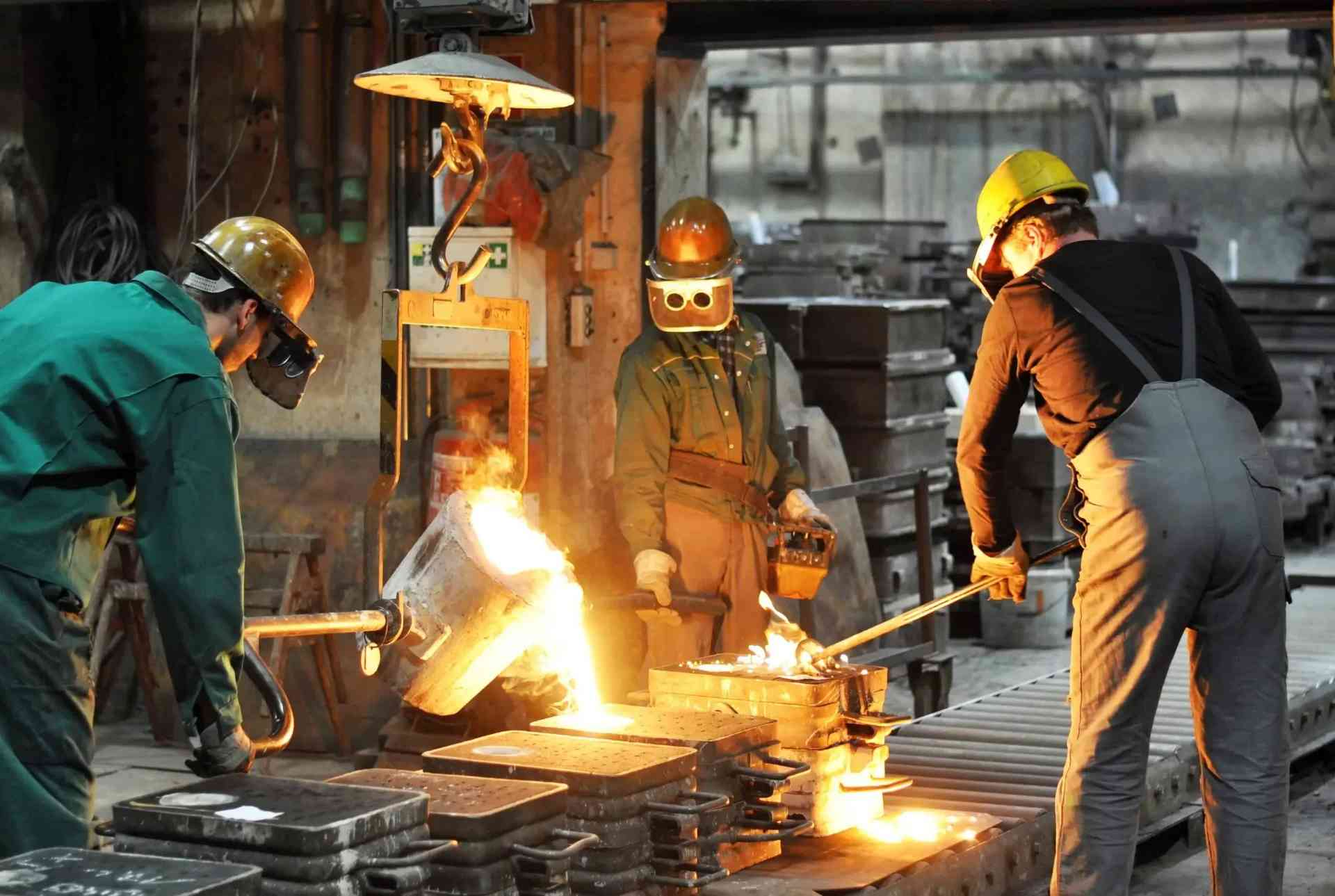
Casting aluminum includes a number of crucial steps that transform raw steel into specific elements. The procedure starts with the melting of aluminum scrap or ingots in a heating system, reaching temperature levels around 1,200 ° F. Once molten, the aluminum is put right into a mold and mildew, which can be made from sand, steel, or ceramic, depending upon the wanted requirements.
After putting, the steel strengthens and cools down, creating the shape of the mold (Aluminum Castings). The next action entails getting rid of the casting from the mold, which might require extra techniques to guarantee a smooth surface coating
Subsequently, any kind of excess product or flaws can be machined or ground off to attain the last measurements. Quality evaluations are then performed to verify that the casting satisfies required requirements. This careful procedure enables producers to create parts that are light-weight, durable, and suitable for a large range of applications.
Selecting the Right Aluminum Spreading Service
When selecting a light weight aluminum spreading service, it is vital to consider a number of variables that can greatly affect the high quality and effectiveness of the end product. Initially, the company's experience and competence in light weight aluminum casting play a crucial duty in ensuring top notch outputs. Firms must examine the provider's profile and previous jobs to evaluate their capacities.
Furthermore, reviewing the innovation and devices utilized by the spreading solution is essential, as contemporary machinery can improve accuracy and decrease preparations. One more essential variable is the capacity to use customized options customized to particular task demands, which can significantly boost item performance.
Moreover, interaction and client assistance must not be neglected; a joint companion can facilitate smoother job implementation. Ultimately, considering cost-effectiveness without jeopardizing quality is crucial for making an informed decision. By meticulously evaluating these elements, manufacturers can choose a spreading solution that finest satisfies their requirements.
Future Fads in Light Weight Aluminum Casting Technology
As makers progressively focus on quality and effectiveness, improvements in light weight aluminum casting innovation are readied to transform the market. Emerging fads include the adoption of automation and robotics, which enhance precision and decrease human error in casting procedures. he said In addition, the assimilation of artificial knowledge and device discovering is anticipated to enhance production timetables and boost quality control.
Sustainability continues to be a central emphasis, with advancements in reusing techniques enabling a lot more reliable reuse of light weight aluminum scrap, therefore decreasing waste and energy usage. Advanced simulation software program is also acquiring grip, allowing designers to model and anticipate casting performance prior to actual production, decreasing expensive mistakes.
The advancement of new alloys and progressed spreading approaches, such as 3D printing, will certainly broaden the opportunities for light-weight yet long lasting elements. Together, these patterns suggest a vibrant future for aluminum spreading, driven by technical developments that focus on performance, sustainability, and item quality.
Frequently Asked Questions
How Do Aluminum Castings Compare to Other Products?
What Are the Weight Limitations for Aluminum Castings?
Weight restrictions for aluminum castings typically rely on the layout and application, but they normally sustain lots capacities ranging from a few ounces to a number of lots. Details constraints arise from elements like wall thickness and structural honesty.
Can Aluminum Castings Be Repaired After Manufacturing?
Light weight aluminum spreadings can be repaired after production, using techniques such as welding or epoxy bonding. The expediency of repair work relies on the level of damages and the particular buildings of the aluminum alloy used.
What Finishes Are Readily Available for Aluminum Castings?
Various coatings are readily available for aluminum spreadings, consisting of anodizing, powder covering, painting, and sprucing up. These coatings boost look, offer corrosion resistance, and improve surface longevity, dealing with varied aesthetic and useful demands in producing applications.
Exactly How Do Environmental Laws Affect Light Weight Aluminum Spreading Processes?
Environmental guidelines substantially impact light weight aluminum casting procedures by mandating more stringent discharges controls, motivating recycling techniques, and promoting lasting materials. These laws oblige makers to take on Go Here cleaner technologies and lower their environmental impact in production tasks.